
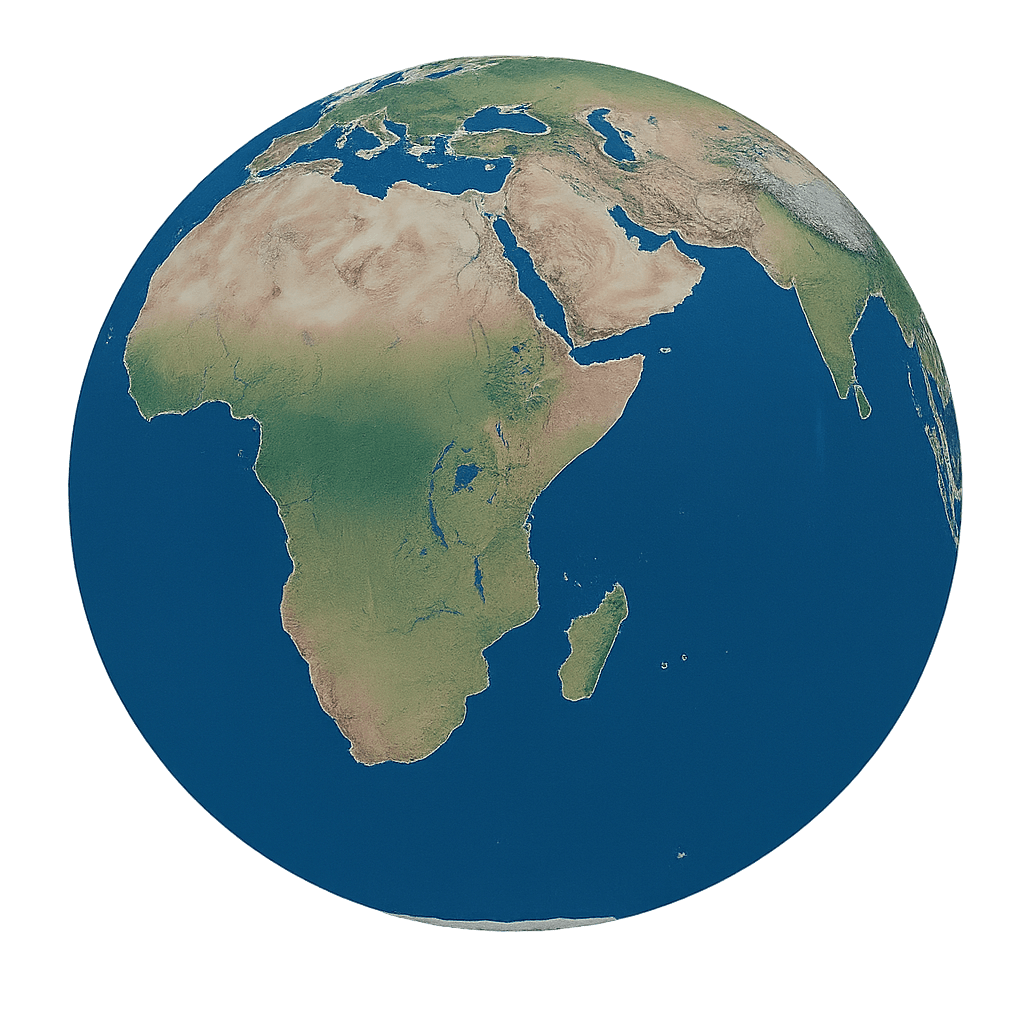
Drought & Human Rights: Amnesty International reports that climate-driven drought in southern Angola, worsened by El Niño, has pushed over 7,000 Angolans into Namibia since 2021—mainly women and children—who face arrests, detention, deportation, and barriers to health care and registration. Water Security in Cunene: Angola’s Cunene governor says new drought-response water works are improving supply, pointing to the Cafu canal (since 2022) and the upcoming Ndúe and Calucuve dams, alongside urban piped supply from the Cunene River. Marine Wildlife Health: Scientists warn of an unusual rabies outbreak among seals in the Benguela Current ecosystem, urging people not to touch sick or dead animals as researchers track impacts on wildlife and coastal communities. Regional Climate Outlook: South Africa braces for El Niño-linked below-normal rainfall and above-normal temperatures, raising drought risks for rain-fed farmers. Policy & Finance: Angola’s energy sector leaders gathered in Luanda for the launch of NJ Ayuk’s book on oil transformation, while Amnesty links climate adaptation gaps to ongoing displacement pressures.
AGP Executive Report
Your go-to archive of top headlines, summarized for quick and easy reading.
Note: AI summary from news headlines; neutral sources weighted more to help reduce bias in the result. Feedback is welcome. Please let us know if you have any comments or suggestions about the AGP Executive Report.
Marine Health Watch: Scientists warned of an unusual rabies outbreak among seals in the Benguela Current ecosystem, now also seen along Namibia’s coast, urging people not to touch sick or dead animals as researchers track risks to wildlife, tourism and coastal communities. Climate Pressure & Rights: Amnesty says drought worsened by El Niño has pushed over 7,000 Angolans into Namibia since 2021, with displaced families living in makeshift shelters and facing arrest and forcible return. Water for Resilience: In Cunene, Angola is inaugurating the Ndúe and Calucuve dams under its drought response plan, aiming to shift farmers from rain-only cycles toward year-round irrigation. Food Security Signals: South Africa’s weather outlook points to below-normal rainfall and above-normal temperatures, raising drought concerns for rain-dependent grain and oilseed farmers. Biodiversity & Monitoring: New research highlights how infrared camera surveys from forest floor to canopy can reveal hidden wildlife and better guide conservation decisions. Energy & Policy: Angola’s oil sector leaders gathered in Luanda to launch NJ Ayuk’s book on petroleum transformation, focusing on reforms, investor confidence and turning oil wealth into broader economic value.
El Niño Drought Watch: South Africa’s Weather Service warns of below-normal rainfall and hotter conditions from Oct–Dec 2026, raising drought fears even as recent harvests and soil moisture buffers may soften the blow. Human Rights in the Drought Fallout: Amnesty reports El Niño-linked drought in southern Angola has pushed 7,000+ people into Namibia since 2021, with displaced women and children facing overcrowded shelters, fear of arrest, and forcible returns. Water for Resilience in Cunene: Angola’s Cunene province is set to inaugurate the Ndúe and Calucuve dams under the drought-effects program, aiming to shift farming from rain-only cycles toward year-round irrigation. Angola’s Phosphate Push: Minbos Resources says it has advanced Cabinda Phosphate Project construction and is moving toward an initial BFA drawdown of about US$1.3m after funding guarantee steps. AU Peace Agenda in Luanda: Angola hosts an AU extraordinary session focused on strengthening conflict prevention and resolution, with calls for earlier action and better-resourced African peace mechanisms. Jobs Platform for Youth: Angolan startup KambaWork launches a national employment and opportunities platform bundling jobs, internships, volunteering, scholarships, and courses in one place.**
Drought & Rights Crisis: Amnesty International reports climate-driven drought in southern Angola is pushing thousands of Angolans—especially women and children—into Namibia, where they live in overcrowded shelters and face fear of arrest, detention and forcible deportation, with calls for Namibia to adopt a rights-based migration approach and protect displaced people from refoulement. El Niño Rainfall Pressure: Southern Africa’s outlook points to hotter, drier conditions, with experts warning the October–December 2026 rainy season is likely to be below normal as El Niño strengthens, raising stakes for food security and water stress. AU Conflict Prevention Push (Luanda): Angola is set to host the AU’s extraordinary session on strengthening conflict prevention and resolution mechanisms, with leaders stressing that early warning must translate into timely action and that existing systems need resources and political will. African Peace Funding Debate: Nigeria, Ghana and Zimbabwe-backed calls focus on building an African-owned, predictable Peace Fund and reducing dependence on external financing for peace operations. Wildlife Research (Congo Basin): New camera-trap studies using forest-floor-to-canopy infrared monitoring reveal hidden biodiversity patterns and help conservation teams spot threatened species and habitat responses. TAAG Labor Update: Angola’s TAAG says a planned strike notice was withdrawn after talks, with negotiations continuing toward a balanced, sustainable solution.

Wildlife Research: Cameras stacked from forest floor to canopy in the Congo Basin helped researchers spot 47 mammal taxa and reveal how animals use different forest levels—useful for conservation planning. African Union Peace Agenda (Luanda): Angola will host the AU’s 21st Extraordinary Session on conflict prevention and resolution, with leaders pushing earlier, coordinated action and stronger African responses. African-Led Financing: Ghana, Nigeria and others urged predictable, African-owned funding for AU peace operations, including progress toward a $1bn Peace Fund and calls to reduce donor dependence. Early Warning to Action: Eswatini’s remarks stressed the deadly gap between knowing conflict risks and acting in time, linking instability to climate stress and migration. Xenophobia at the AU: Nigeria formally raised recurring xenophobic and Afrophobic attacks in South Africa at the AU, calling for collective action and placing the issue on the January 2027 agenda. Southern Africa Rain Outlook: SADC climate experts warn the Oct–Dec 2026 rainy season may be below normal, with El Niño expected to strengthen. Angola Transport & Minerals: Angola and the DRC signed a railway deal to improve the Lobito corridor, aiming to cut logistics bottlenecks for mineral exports. Youth & Jobs (Angola): KambaWork launched a national platform bundling jobs, internships, volunteering and micro-work to make opportunities easier to find.**
AU Peace Agenda in Luanda: Angola hosted the 21st AU Extraordinary Session on conflict prevention and resolution, with leaders stressing the real test is activating existing mechanisms and funding them properly, not just creating new ones. African-led Financing: Speakers including Uganda’s defence minister and Zimbabwe’s President Mahama-backed calls pushed for predictable, sustainable, African-owned financing so peace efforts don’t depend on donors. Xenophobia at the AU: Nigeria’s Tinubu, via VP Shettima, formally reported recurring xenophobic and Afrophobic attacks in South Africa and urged the AU to put the issue on the agenda for January 2027. Implementation Over Talk: VP Chiwenga said the machinery for prevention exists, but political will and execution are missing. Angola-DRC Rail Deal: Angola and the DRC signed a railway agreement to strengthen the Lobito Corridor, aiming to cut transport bottlenecks for mineral exports. Climate Watch for Southern Africa: SADC forecasts below-normal rainfall for Oct–Dec 2026, with El Niño expected to intensify. Biodiversity-Friendly Restoration: East Africa workshop findings highlight a shift toward planting native, food-bearing trees instead of fast-growing non-natives.
AU Conflict Prevention Push (Luanda): Angola’s President João Lourenço urged the African Union to strengthen conflict prevention and resolution, with clear responsibilities and monitoring, as leaders met in Luanda for the AU’s 21st Extraordinary Session on peace mechanisms. Financing & Early Action: Ghana’s John Dramani Mahama backed the Luanda Action Plan and stressed that early warning must lead to early action, backed by sustainable, predictable, African-owned funding for peace and security. Peace Architecture Reform: AU Commission Chair Mahmoud Ali Youssouf warned that prevention is Africa’s weak link and called for urgent reforms to the continent’s peace and security tools, including stronger early-warning and better implementation. Xenophobia at the AU: Nigeria’s President Bola Tinubu, via VP Kashim Shettima, formally reported recurring xenophobic and Afrophobic attacks in South Africa to the AU, calling for dialogue, preventive diplomacy, and collective action, and asking that the issue be placed on the AU agenda for January 2027. Climate Watch (Southern Africa): A SADC outlook warns the Oct–Dec 2026 rainy season may be below normal, with El Niño expected to strengthen. Regional Trade/Infrastructure: Angola and the DRC signed a railway agreement to improve transport along the Lobito Corridor, aiming to cut export bottlenecks for mineral-rich regions.
AU Peace & Security Reform in Luanda: Leaders meeting in Angola’s Luanda pushed for conflict prevention to move from talk to action, with calls for stronger early warning, better coordination, and reforms to the African Peace and Security Architecture. Financing the Plan: Ghana’s President Mahama backed the Luanda Action Plan and urged sustainable, predictable, African-owned funding for peace work, including continued capitalisation of the AU Peace Fund toward a $1bn target and use of the 0.2% import levy. Prevention as a Priority: Morocco’s Nasser Bourita and others stressed prevention at the heart of peace and security, linking stability to root causes like climate stress, water and food security, and development. Xenophobia at the AU: Nigeria’s Tinubu formally raised recurring xenophobic and Afrophobic attacks in South Africa at the AU, demanding urgent collective action and an agenda slot for January 2027. Climate Pressure in Southern Africa: Zimbabwe braced for a hotter, drier 2026/27 season as forecasts point to below-normal rainfall during key planting months, raising risks for crops and water.
AU Conflict Prevention Summit in Luanda: African leaders are meeting in Angola’s capital to strengthen mechanisms for conflict prevention and resolution, with focus on early warning, crisis response, coordination with regional blocs, and sustainable financing for the African Peace and Security Architecture. Financing the Peace Agenda: Nigeria and other officials urged AU members to build up the AU Peace Fund toward $1bn and cut reliance on unpredictable external support, while Ethiopia also moved to nearly double its AU budget contribution. Prevention-First Push: Morocco’s leadership backed a prevention-centered approach linking peace, security, and development, calling for stronger AU–UN coherence. Climate Shock Warnings for Southern Africa: Zimbabwe and Namibia face higher chances of hotter, drier conditions in 2026/27, threatening planting and water supplies as El Niño strengthens. Angola Agriculture Biosecurity: Angola researchers reported a newly detected plant virus (“Seles Weed Carlavirus”) that could threaten food crops if it spreads, though commercial losses aren’t confirmed yet.
AU Peace Summit in Luanda: Nigeria’s foreign minister urged the African Union to fund conflict prevention with innovative, sustainable financing, warning that unpredictable money can derail African-led peace operations; the AU is also drafting an action plan to strengthen early warning and crisis response, with leaders set to review it at the 21st Extraordinary Session in Angola. Prevention-First Push: Morocco’s Nasser Bourita told AU meetings that prevention must tackle root causes through a peace-security-development link, with better AU–UN coordination and financing that follows AU budget rules. AU Delegations Arrive: Nigeria’s VP Kashim Shettima reached Luanda to represent President Tinubu, joining other heads of state including Ghana’s John Mahama and Egypt’s prime minister for the summit. Southern Africa Rain Warning: Climate outlooks from SARCOF-33 point to below-normal rainfall and hotter conditions across much of Southern Africa, including Angola and Namibia, raising risks for crops and water supplies. Angola Plant Health Alert: Angola researchers reported a newly detected plant virus (“Seles Weed Carlavirus”) that could threaten food crops if it spreads, even though commercial losses aren’t confirmed yet.
AU Peace Talks in Luanda: Nigeria’s VP Kashim Shettima has flown to Angola to represent President Tinubu at the AU’s 21st Extraordinary Session, focused on conflict prevention, dispute resolution and lasting peace. AU Executive Council Push: The AU’s Executive Council in Luanda also heard Burundi’s Édouard Bizimana praise Angola’s President João Lourenço for strengthening continental peace mechanisms. Prevention-First Security: Morocco’s Nasser Bourita urged African states to put prevention at the center of peace and security, linking peace, security and development and calling for better AU–UN coordination. Climate Watch for Angola Region: Southern Africa outlooks warn of drier-than-normal conditions in parts of Angola and the wider region, while separate heavy-rain alerts in Odisha highlight how extreme weather continues to threaten communities. New Plant Virus Alert in Angola: Angola researchers reported a newly identified plant virus, “Seles Weed Carlavirus,” raising concerns for food crops if it spreads.
Climate Watch: Southern Africa’s rainy season is tipped to be drier than normal in many areas, with SARCOF-33 warning Angola, southern Zambia, Zimbabwe, Mozambique, Namibia, Botswana and most of South Africa face higher chances of below-normal rainfall from Oct 2026 to Mar 2027, while parts of the DRC and northern Angola may see normal-to-above-normal rain; temperatures are also expected to run hotter across much of the region. Wildlife & Oceans: Namibia has issued the world’s first clearance for commercial seabed phosphate dredging, authorizing the Sandpiper project near Walvis Bay until 2029, drawing legal challenges and marine-scientist warnings that dredging could disrupt nutrient-rich sediments tied to the Benguela Current and major fisheries. Conservation Enforcement: The DRC and Angola are set to deepen cooperation on the Lobito Corridor, including stronger cross-border action against wildlife and timber trafficking networks. Water & Food Security: SADC braces for a dry, hot rainy season, warning of possible water shortages and pressure on agriculture. Angola Development & Water Infrastructure: A finance deal is reported to expand access to clean water in Luanda, Angola, supported by major export and assurance backers.
El Niño Rainfall Warning: Southern Africa’s 2026/27 rainy season is expected to bring below-normal rainfall across much of the SADC region, with hotter-than-usual conditions likely to stress water supplies and agriculture—especially in central and southern areas including Angola. Namibia Seabed Phosphate Fight: Namibia’s environmental commissioner cleared the Sandpiper seabed phosphate dredging project, triggering legal challenges and fresh alarms from marine scientists over impacts to sediments tied to the Benguela Current and fisheries. Luanda Water Infrastructure Deal: A major water infrastructure project in Luanda is being financed through export and assurance support, aiming to expand access to clean water. Wildlife Crime Cooperation: Congo’s Lobito Corridor push is paired with a new plan to crack down on cross-border trafficking of wildlife, timber and other natural resources. Tourism Access Boost: Africa’s international arrivals rose in 2025, but experts say growth depends on better air links, visas, transport and destination navigation. Angola Agri Land Move: Ongandjera’s traditional authority has released over 60 hectares for agricultural development to boost food, jobs and youth livelihoods. Luxury Safari Shift: Travel coverage highlights a move toward endurance, trail-based safari experiences—more than the classic “jeep and lion” pitch.
Southern Africa Climate Watch: SADC is bracing for a dry, hot rainy season, with below-normal rainfall forecast across much of the region from Oct 2026 to Mar 2027, and a sharper north–south split expected into Jan–Mar 2027—raising alarms for water shortages and pressure on agriculture, including in Angola. Wildlife & Trade Enforcement: The DRC has formalized its Lobito Corridor commitment with Angola, adding a conservation push to dismantle cross-border networks trafficking wildlife, timber and other natural resources. Namibia Marine Shock: Namibia’s environmental commissioner has issued the world’s first clearance for commercial seabed phosphate dredging near Walvis Bay, triggering legal challenges and warnings that it could disrupt Benguela Current-fed fisheries. Angola Water & Clean Energy Finance: A water infrastructure project in Luanda is backed by Standard Chartered, Bpifrance Assurance Export and Sfil, expanding access to clean water. Animal Health Risk: Texas pet adoptions are paused as New World screwworm spreads, threatening dogs and cats and straining shelters. Angola Peatlands: A new study says Angola’s peatlands are highly underestimated, spotlighting a major carbon and habitat story.
Biodiversity Under Pressure: Namibia cleared the world’s first commercial seabed phosphate dredging, authorizing Namibian Marine Phosphate’s Sandpiper project to disturb sediments off Walvis Bay—sparking legal challenges and fresh warnings about impacts on the Benguela Current and fisheries. Wildlife & Fisheries: A Zambezi Regional Council report says Zambezi bream and other species are declining, urging restocking and stronger controls to stop overfishing. Conservation Enforcement: Angola and DR Congo are set to deepen cross-border cooperation to dismantle wildlife and timber trafficking networks linked to the Lobito Corridor, with a focus on environmental crime. Climate & Water Security: Namibia’s Etaka Canal push aims to restore reliable water for drought relief and farming, using community-led sections supported by government work programmes. Marine & Community Health: A study highlights how primate social behavior and human impacts can shape primate microbiomes, with fieldwork planned around Rwenzori Angolan colobus monkeys in Uganda. Food Systems Tech: PlantVoice is bringing “plant intelligence” to precision agriculture by pairing plant physiological signals with weather and soil data.
Seabed Mining Shock in Namibia: Namibia has issued the world’s first clearance for commercial seabed phosphate dredging, greenlighting Namibian Marine Phosphate’s Sandpiper project off Walvis Bay despite legal challenges and marine scientists warning it could disrupt sediments that feed the Benguela Current and the region’s fisheries. Wildlife & Health in Focus: A New World screwworm outbreak in Texas has halted thousands of dog and cat adoptions as shelters brace for crowded conditions, showing how cross-border animal disease can spill into everyday conservation and welfare. Angola’s Environment in the Research Spotlight: A Fulbright-National Geographic grantee, anthropology doctoral student Laura Haynes, will study primate microbiomes in Uganda, including Rwenzori Angolan colobus monkeys, linking social behavior and human impacts to microbial diversity. Maritime Capacity for Angola Region: Ghana’s Maritime Authority opened a regional training for seafarer examiners and instructors, with participants including Angola, aiming to keep certification standards safe as shipping technology changes. Luanda’s Clean Water Push: Standard Chartered, Bpifrance Assurance Export and Sfil finance a major water infrastructure project to expand access to clean water in Luanda. Biodiversity Watch: Zambezi Regional Council reports Zambezi bream and other fish are declining in shared river systems, urging restocking and action against overfishing. Fuel Supply Tension Affecting Angola Flights: Namibia’s jet fuel shortage is linked to a quality/supply issue in a commercial arrangement, with Lufthansa-owned flights rerouting via Angola for refuelling. Climate Risk Signals: Wales recorded very high wildfire-related carbon emissions, with Angola named among places with unusually high emissions levels—another reminder that climate impacts travel.
Water Security in Luanda: Standard Chartered is leading a EUR538m financing for Angola’s Quilonga Grande Water System Phase 2, expanding Luanda’s potable water network with a new treatment plant drawing from the Kwanza River—aimed at serving about five million people and cutting reliance on informal vendors. Conservation & Cross-Border Wildlife Crime: Angola and DR Congo are pushing a new phase of cooperation under the Lobito Corridor to tackle illegal wildlife, timber and other natural-resource trafficking networks across their borders. Fisheries Under Pressure: Angola, Namibia and Zambia’s shared river systems are seeing sharp declines in Zambezi bream and other species, with calls to restock fingerlings and curb overfishing. Climate Impacts on Children: Wales’ wildfire emissions data places Torfaen among the highest carbon-emitting areas globally, raising health worries for children exposed to smoke and extreme heat. Maritime Skills for Safety: Ghana’s maritime authority and IMO-backed training are upgrading seafarer assessment and certification capacity across West and Central Africa, including Angola. Madagascar Biodiversity Spotlight: A Catholic Relief Services visit highlights Madagascar’s extreme endemism—home to most of the world’s lemurs and two-thirds of chameleons—underscoring why conservation there matters.
Conservation & Wildlife Enforcement: DR Congo and Angola are formalizing a new push for the Lobito Corridor, with a stated aim to step up cross-border action against wildlife and timber trafficking networks. Water Security in Angola: Standard Chartered is arranging EUR 538m for Phase 2 of Luanda’s Quilonga Grande Water System to expand clean water distribution to about five million people, cutting reliance on informal vendors and lowering waterborne disease risk. Fisheries Under Pressure: Angola, Namibia and Zambia’s shared river systems are seeing declines in Zambezi bream and other species, with calls to restock fingerlings and curb overfishing. Maritime Skills for Safety: Angola is among countries taking part in regional training to strengthen seafarer assessment and certification systems as shipping technology changes. Climate & Health Risks: Wildfire smoke is driving unusually high carbon emissions in parts of Wales, underscoring how extreme heat and dry conditions can worsen air quality impacts on children. Regional Trade & Connectivity: The Lobito Corridor deal and wider logistics efforts keep spotlighting how infrastructure can reshape environmental and economic outcomes across Southern Africa.
Clean Water Finance (Luanda): Standard Chartered arranged EUR 538m for Angola’s Quilonga Grande Water System Phase 2, drawing water from the Kwanza River to expand Luanda’s potable supply for about 5 million people, with 1,500+ jobs during construction. Wildlife & Health (Cape seals): South Africa reports rabies-linked seal attacks on the coast, raising fears the disease could spread to other marine mammals. Biodiversity & Fisheries (Zambezi): A Zambezi Regional Council report warns Zambezi bream and other fish are declining, urging restocking and action against overfishing. Climate & Air Quality (wildfires): Wales’ Torfaen logged among the world’s highest wildfire-related carbon emissions per square kilometre, with concerns for children’s health from smoke exposure. Roads & Regional Trade (Zambezi): Communities in Kongola and Judea Lyaboloma were urged to work with consultants on the 22-km Kongola–Mulangu road rehab, a key corridor for trucks linking to Angola, Zambia, Botswana and Zimbabwe. Maritime Skills (IMO): Ghana’s maritime authority ran a regional training for seafarer examiners, including Angola, to keep assessment and certification aligned with fast-changing shipping technology.
Angola Water Security: Standard Chartered is arranging a EUR538 million financing for Angola’s EPAL to expand Luanda’s potable water network under Phase 2 of the Quilonga Grande Water System, drawing from the Kwanza River and aiming to serve about five million people while cutting reliance on informal vendors and lowering waterborne disease risk. Wildlife & Biodiversity: Research and reporting from the Zambezi region warn that Zambezi bream and other fish are declining fast due to overfishing, urging restocking and stronger river stewardship across shared river systems. Climate & Health: A new study on Angola’s Angolan Highlands Water Tower peatlands finds more peatland than previously thought, highlighting major carbon storage and the need to protect against slash-and-burn agriculture and unsustainable peat use. Regional Capacity Building: IMO-linked training in Ghana is strengthening seafarer assessment and certification skills, with participants including Angola, to keep maritime safety standards up to date as automation and alternative fuels change job requirements.
Sign up for:
The Angola Conservationist
The daily local news briefing you can trust. Every day. Subscribe now.
Check Your Email!
We sent a one-time activation link to: .
Confirm it's you by clicking the email link.
If the email is not in your inbox, check spam or try again.
Welcome back!
is already signed up. Check your inbox for updates.